After an accidental website shut down I thought I would celebrate a WordPress restoration by publishing a long article I wrote for a magazine that never got published. Here it is, a tale of misadventure in the Africa Eco Race – Feb 2026:
——–
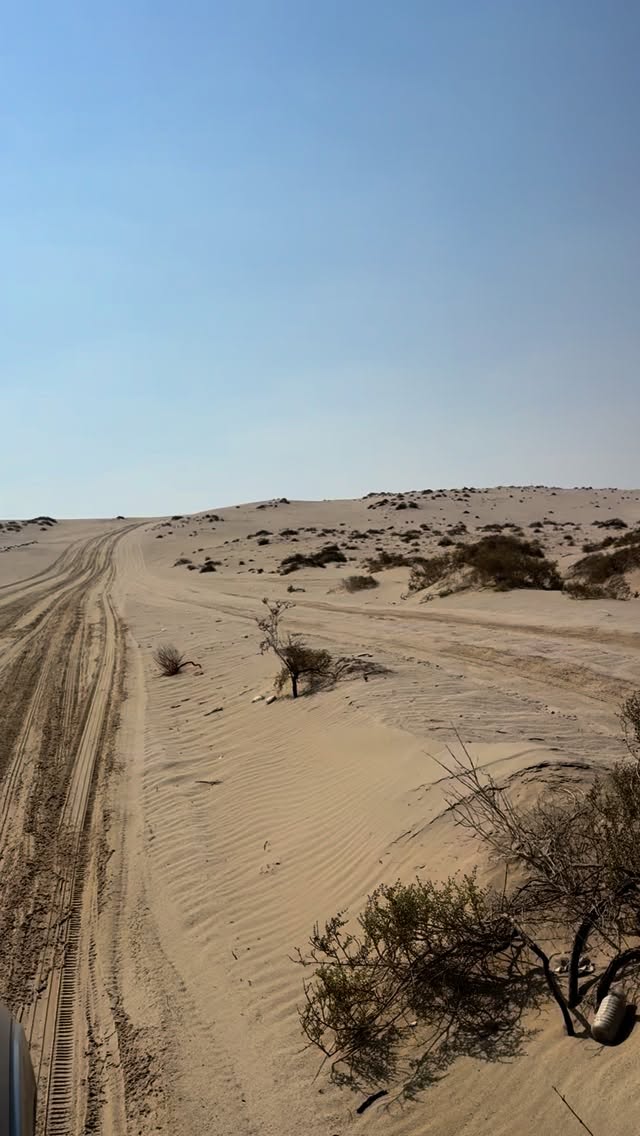
Our fuel pump died deep in the heart of the Mauritanian desert.
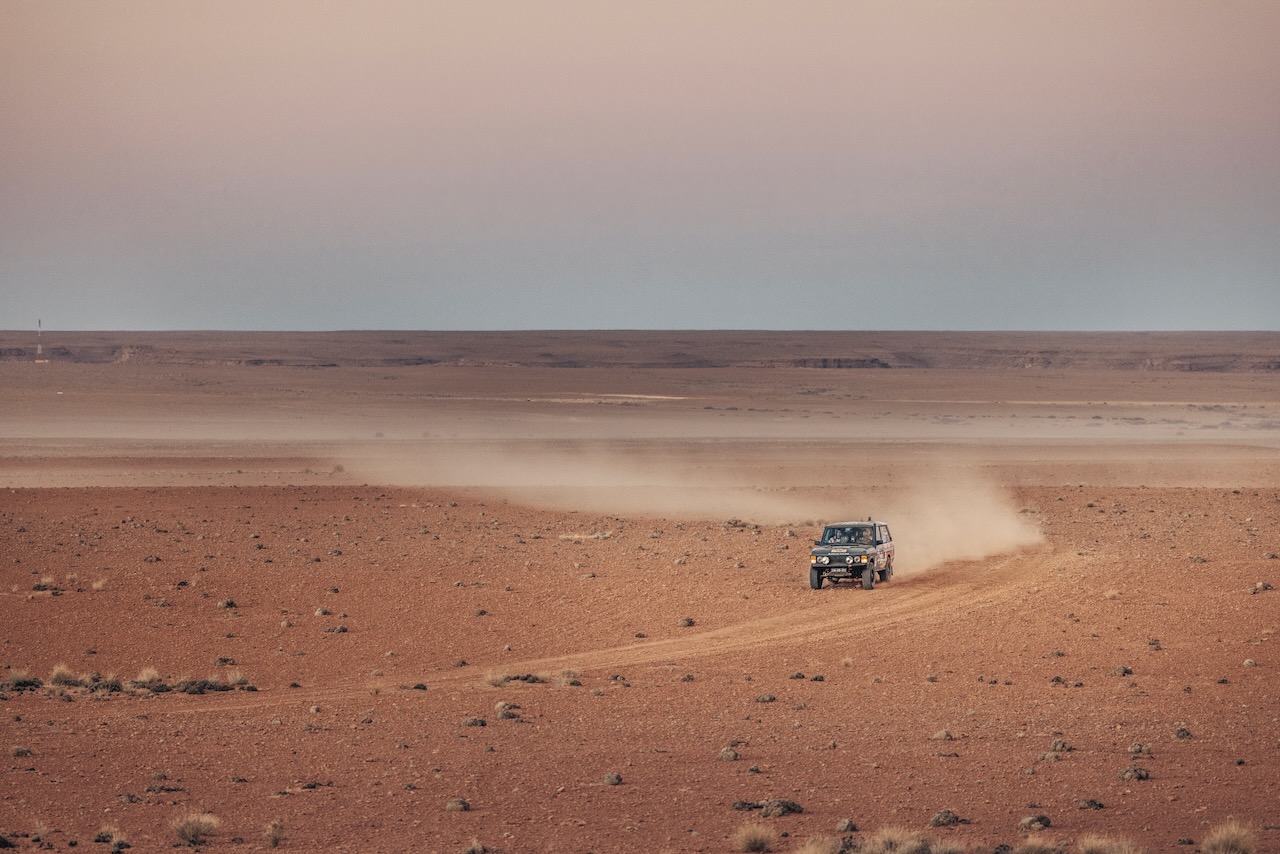
That’s usually how real life adventure stories start, not with fanfare and glory, but with a deafening sickening silence. There was no petrol pump, no whine from the tank, no pressure in the rail, just the sudden realisation that we were 50 kilometres into a special rally stage in one of the most unforgiving places on earth, driving a 30-year-old Range Rover that was never meant to be here. And yet, somehow, this was exactly where it was supposed to be.
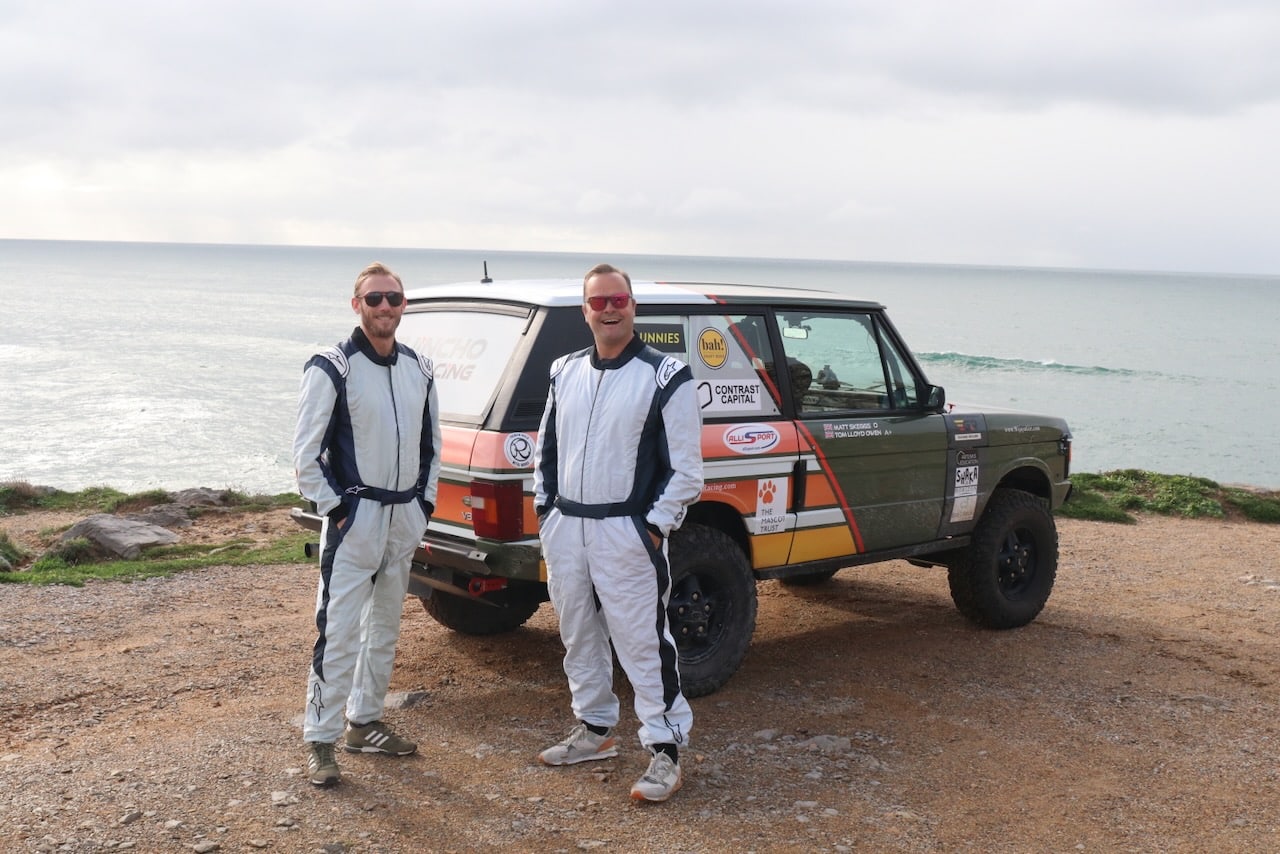
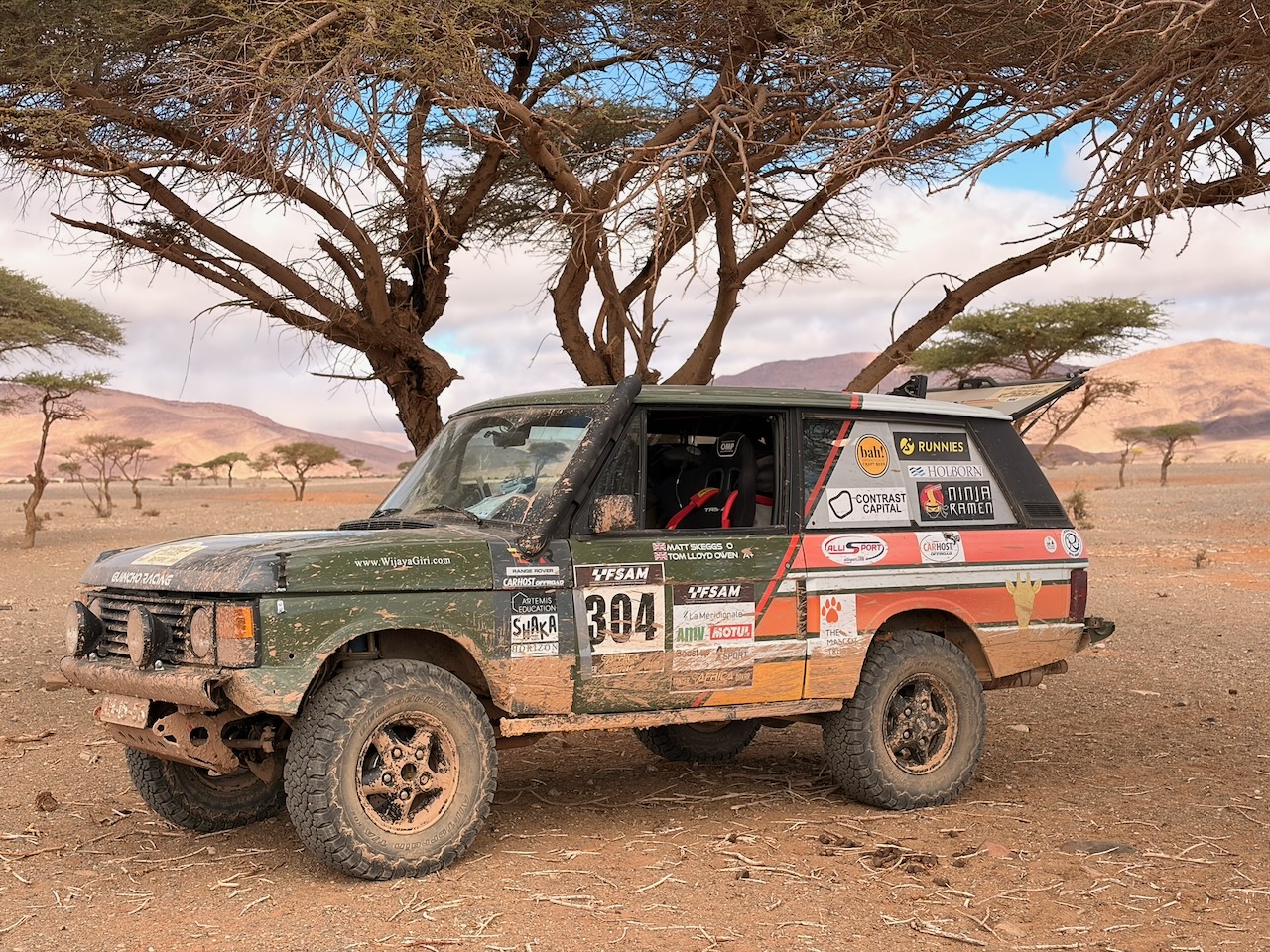
Long before Dakar became a global motorsport spectacle, before carbon fibre and factory budgets, the Paris–Dakar Rally was won by something improbable: a Range Rover Classic. In 1979, a Solihull-built 4×4 crossed Africa and finished first, setting the tone for a race that would become legendary. Decades later, as Dakar evolved and relocated, that original victory remained quietly unmatched in spirit, until two people in Portugal decided it needed revisiting. Tom Lloyd Owen and Matt Skeggs are not professional rally drivers, they are not mechanics and they are not even hugely experienced off roaders, but they do have spirit and with that spirit they launched Guincho Racing. With no service truck, no engineers, and no real experience beyond enthusiasm, curiosity and a shared obsession with old Land Rovers they decided to try and take a Range Rover Classic back to Dakar, following the original route as closely as possible as part of the second longest endurance race on earth – The Africa Eco Race.
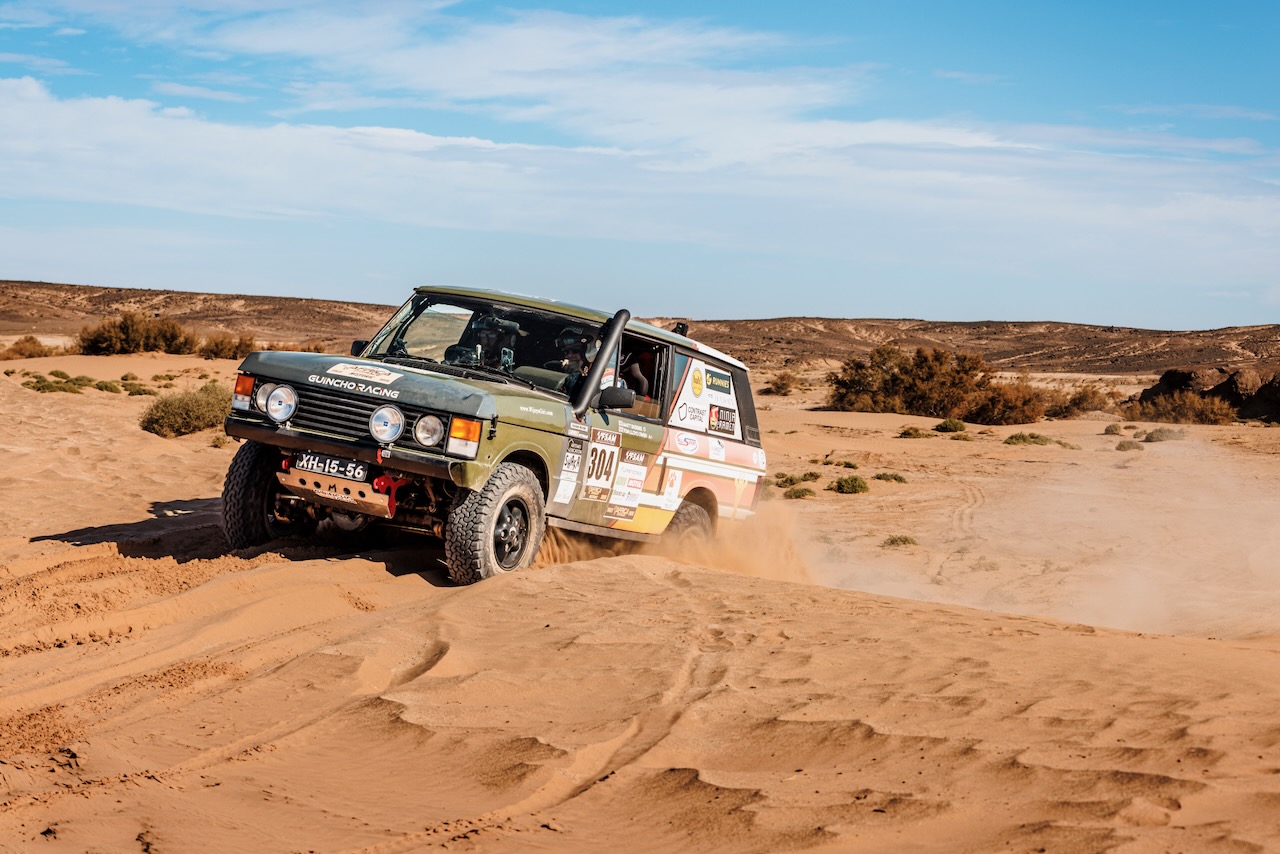
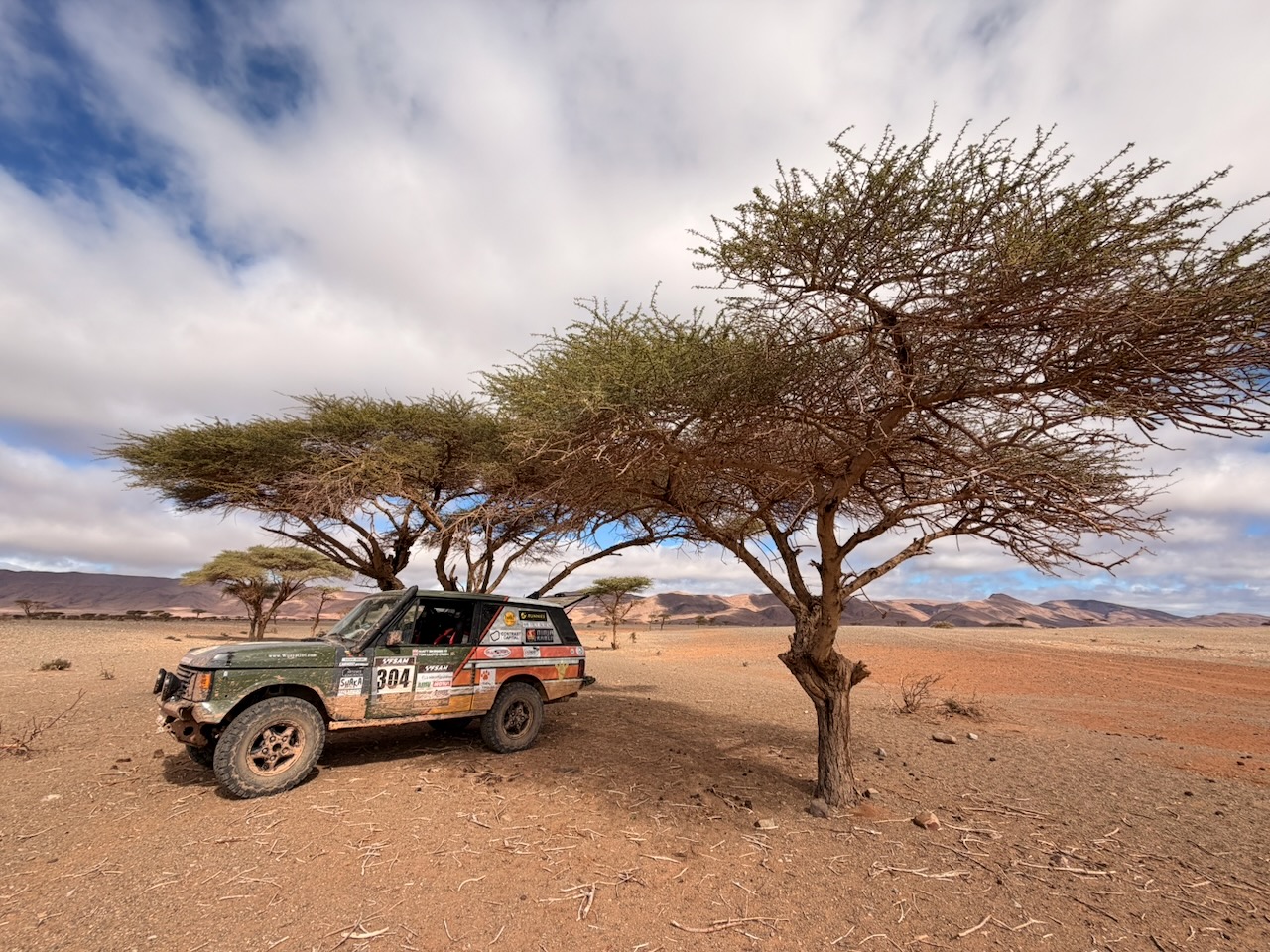
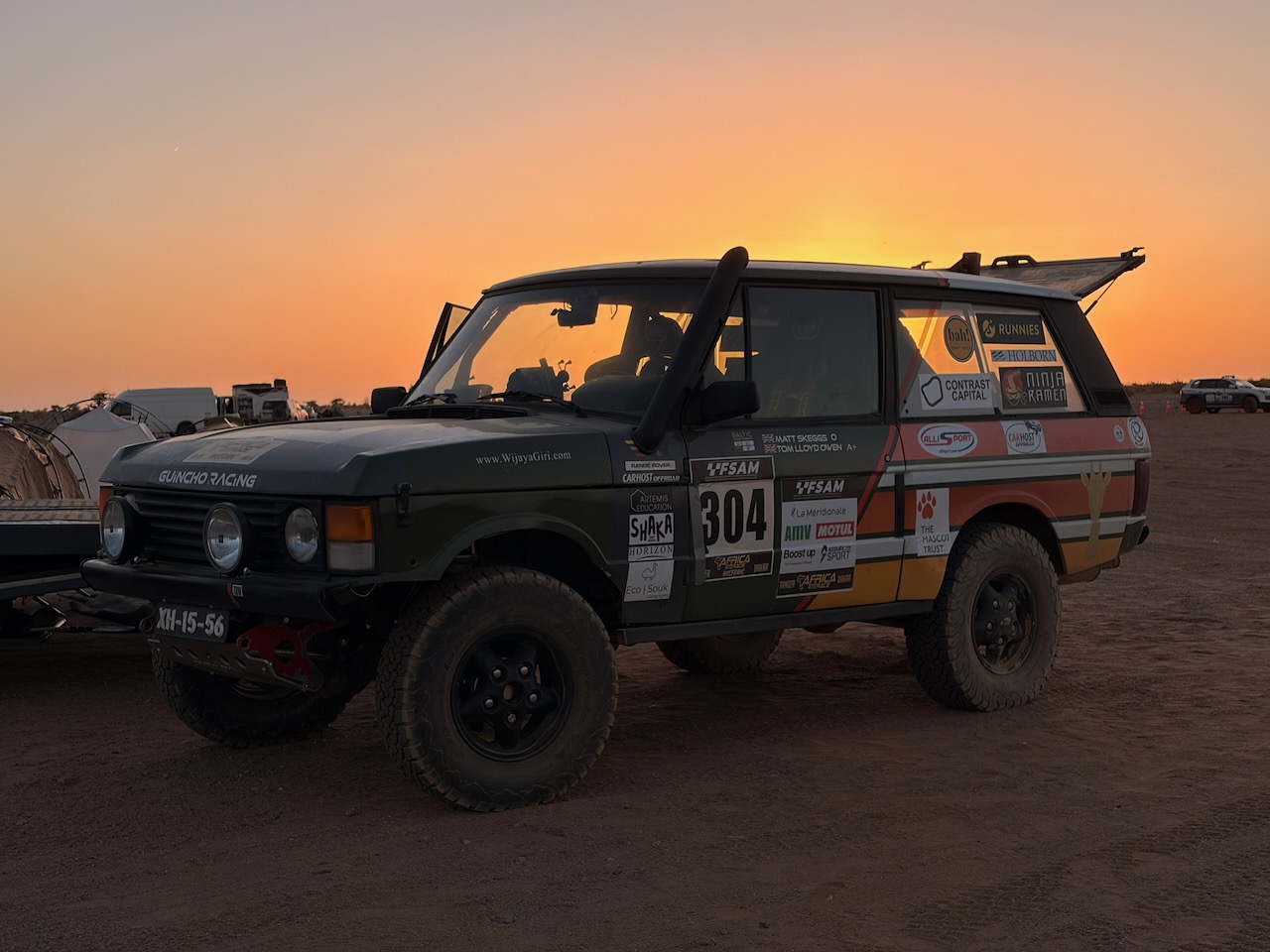
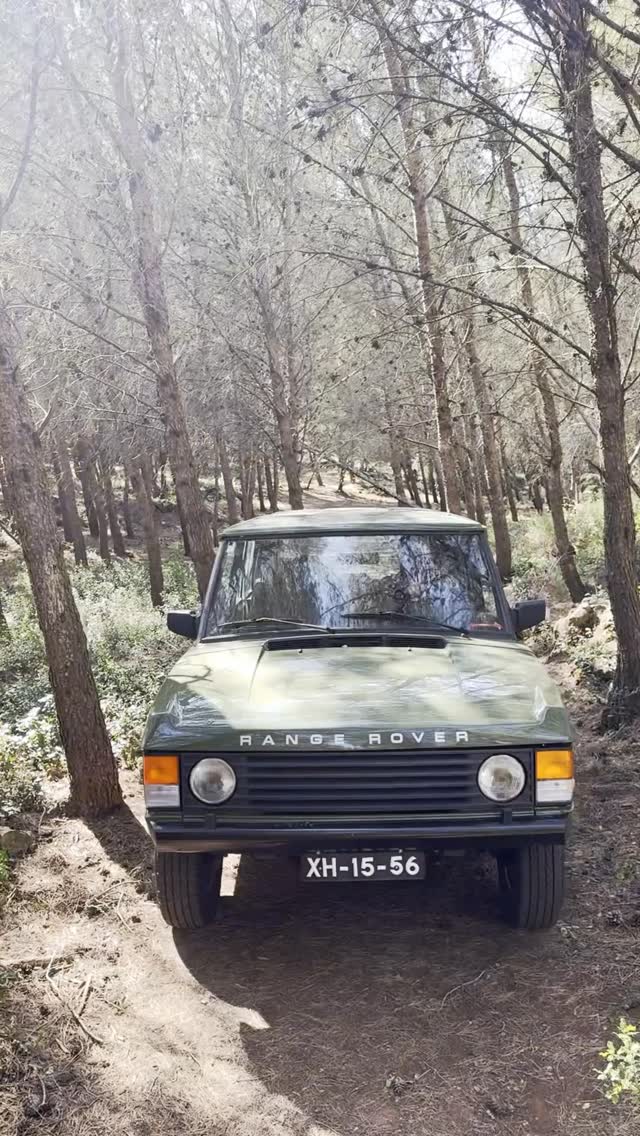
The original car was found on a farm in southern Portugal: a 1991 Range Rover Classic, 3.9-litre V8. The car was quickly named Roger and what followed was months of work that blurred the line between ambition and optimism. In Tom’s garden without a proper workshop Roger was stripped, rebuilt, strengthened, simplified and re-imagined. A roll cage was fitted. Racing seats and harnesses installed. Fire systems added. Weight removed wherever possible. Long range fuel tanks, Racing spec radiators and exhaust components were still being installed in the final hours before leaving Lisbon. At dawn, the car rolled out, bound for Spain and onwards to Africa, carrying two newly licensed rally drivers filled with nervous excitement for the extraordinary adventure that lay ahead.
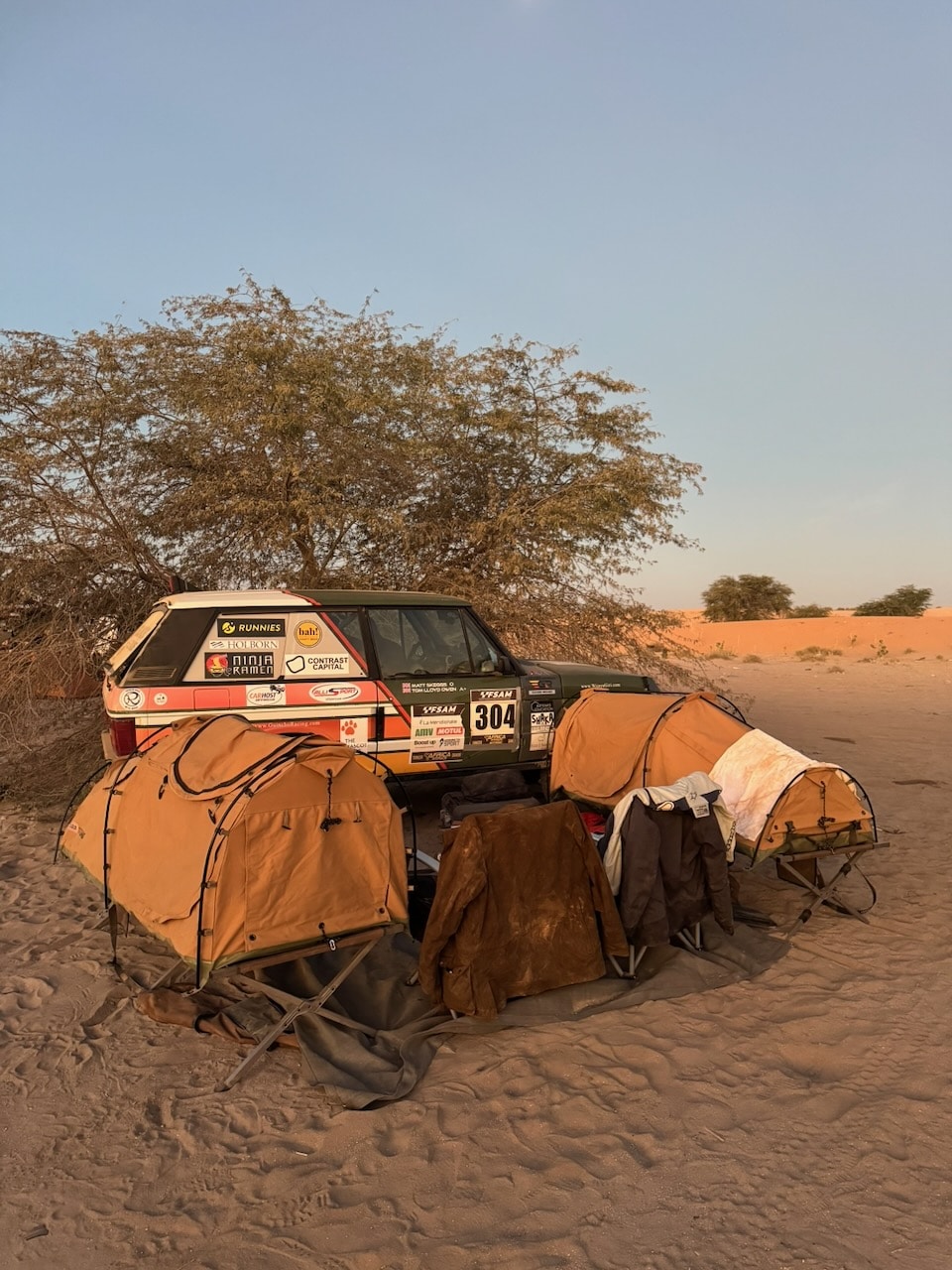
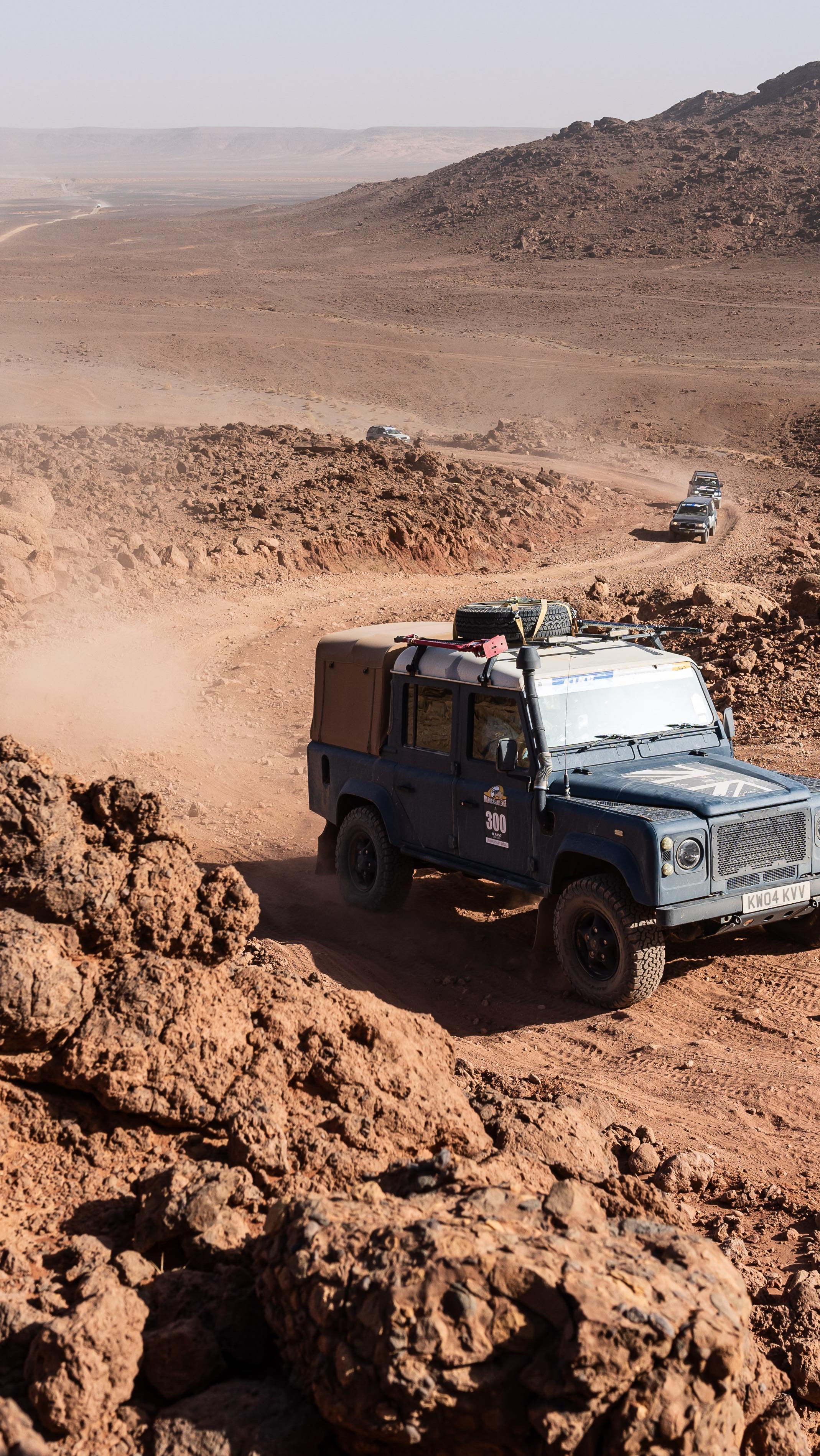
The Africa Eco Race does not ease you in. From Tangier, it plunges south over the snow topped Atlas Mountains through Morocco, Western Sahara, Mauritania and Senegal, finishing on the shores of Lac Rose in Dakar. It is long, (6,000 kms long) hot, relentless and unapologetically old-school. The Historic class, made up of 24 vehicles exists to keep the soul of the original rally alive. Race director Philippe Bouvier designs stages that challenge ageing machinery without annihilating it entirely. Navigation is by paper road book. Days are long. Errors compound quickly. Each evening, the rally collapses into the bivouac: a moving city of nearly 900 people that rebuilds itself every day with astonishing precision. Deep in the desert under the care of the incredible army of French organisers competitors eat fillet of beef and tarte au citron while sandstorms roll through camp. It is absurd, wonderful, and completely necessary. More importantly, the bivouac is where the rally reveals its true character. Rivals become allies, tools are shared, parts appear from nowhere. The unspoken rule is simple: everyone helps everyone reach Dakar.
The first mechanical warning came early for Guincho Racing. On day two, a metallic clatter developed during a 400km liaison. At the start of the next stage, the problem revealed itself: the top bush on the front-right damper had failed completely. Frustratingly there was no spare, a temporary solution was attempted with cut-up coolant hose, but it wasn’t enough. A hunt began that took the team into what was essentially a mud hut village with a tiny Moroccan quad bike workshop, where amazingly a roller skate wheel was discovered in the dirt. Cut in half, it became a rudimentary suspension bush. It wasn’t elegant — but it worked for 5,000kms to Dakar while 6 other factory suspension bushes gave up their fight, and the roller skate wheel still fights on today.
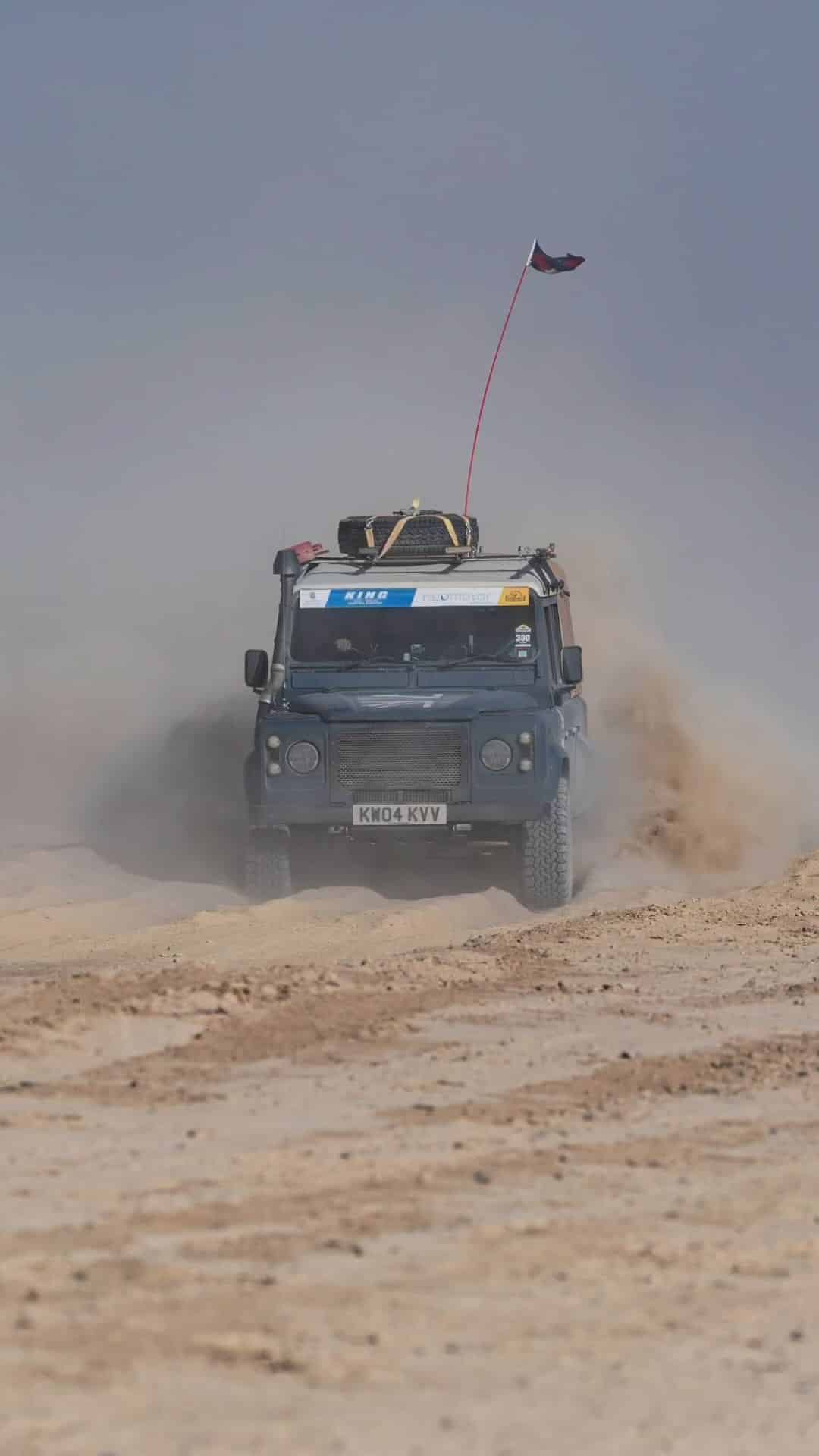
By the time the rally entered Mauritania in the second week of the race, Roger had already endured more than most vehicles see in a lifetime. After a transfer box failure in Western Sahara and an overnight rebuild in a remote outpost, optimism returned, briefly. Fifty kilometres into the first Mauritanian special stage, the fuel pump failed. Anyone who has owned a Land Rover understands this inevitability. The in-tank pump will only ever fail at the worst possible moment, and this moment was particularly bad. What followed was a full day of collective problem-solving. French mechanics offered theories. Other teams opened spares boxes. Parts migrated across the bivouac. Slowly, a solution took shape. The new fuel system was a masterpiece of desperation: Can-Am components, Porsche fittings, Toyota parts, domestic boiler hardware, cable ties and fuel hose. But like Frankenstein’s new heart it worked, and Roger was back on the road.
Winning was never the point for Guincho Racing, finishing was always the ultimate achievement. The Historic class was ultimately taken by a Toyota – predictable, perhaps. But further back in the field were three Range Rover Classics, including a replica of René Metge’s 1981 Dakar-winning car, driven by his children Jonathon and Elodie. Those three cars carried something the modern rally often forgets: Grace, Style and History.
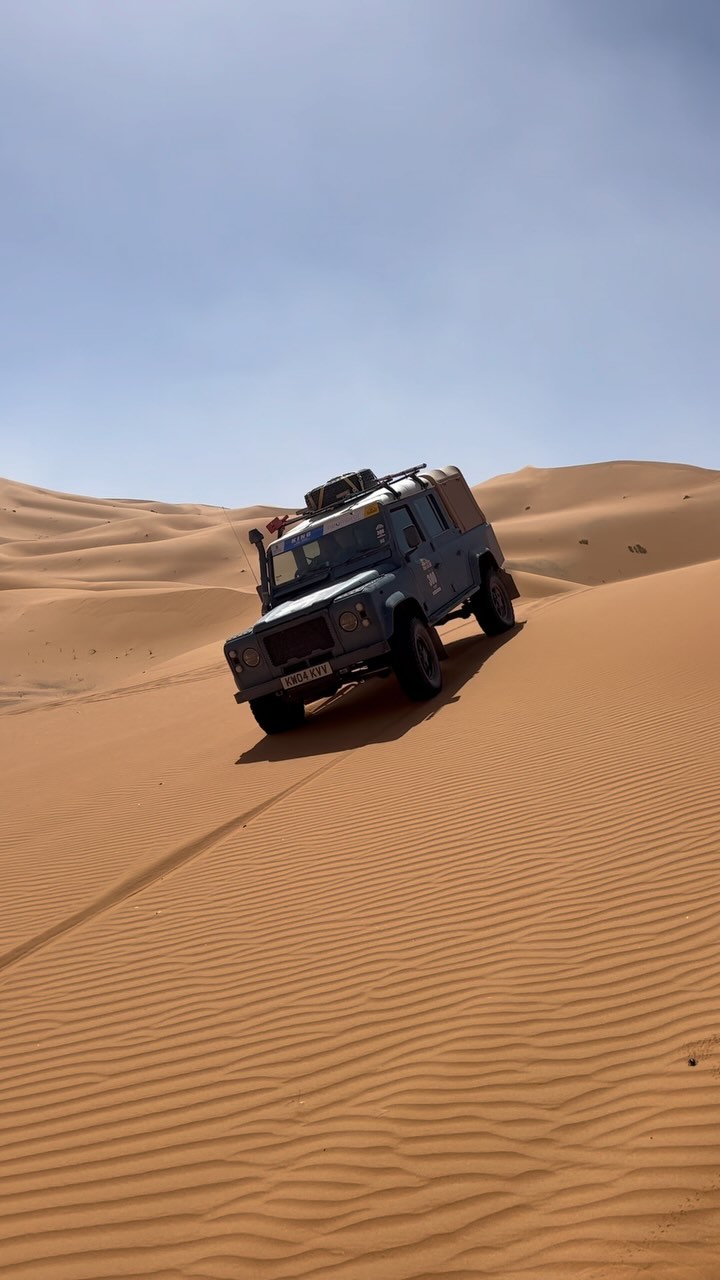
Guincho Racing continued south, nursing Roger across dunes, rocks and endless empty spaces, learning to live within the desert rather than fight it. The brutality softened into rhythm. The vastness became familiar, and eventually Dakar appeared.
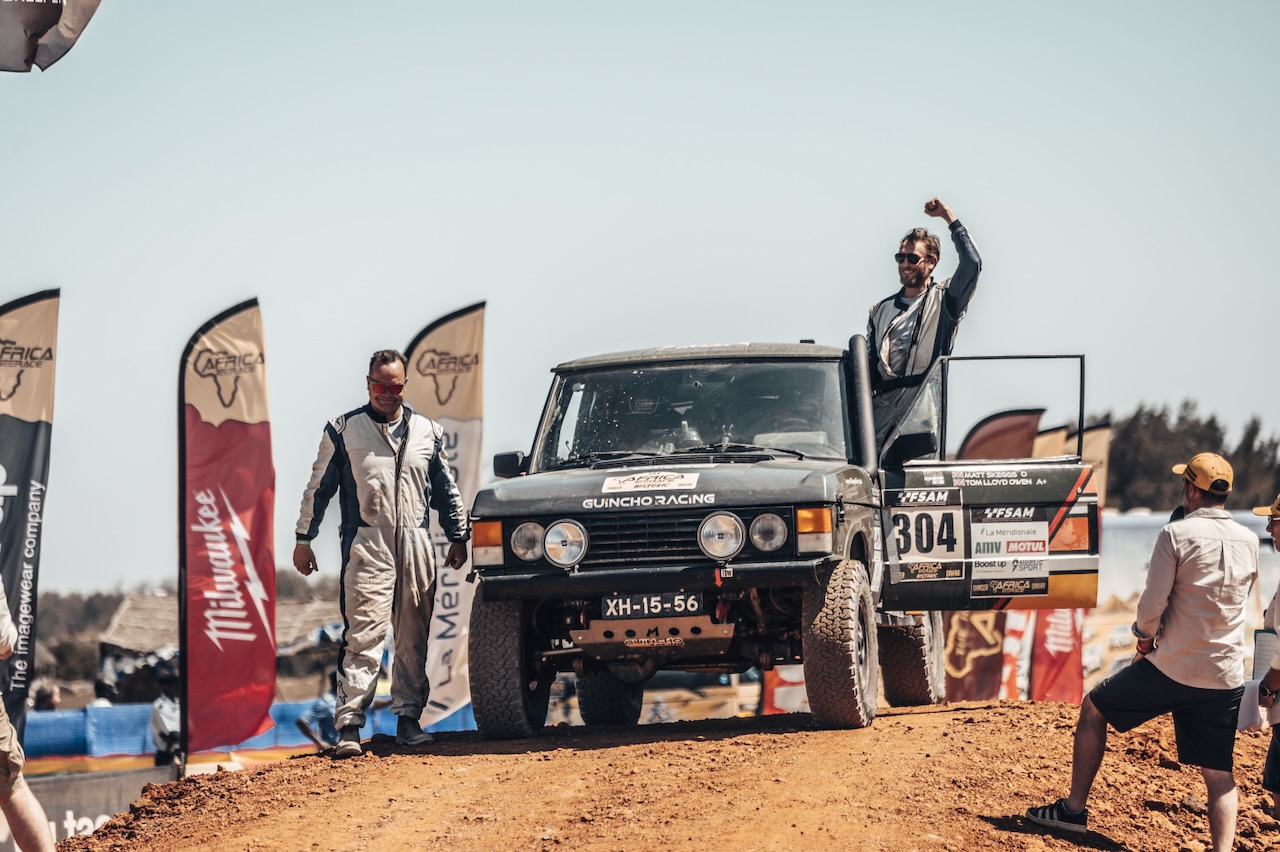
Against expectation, and all common sense, Roger triumphantly reached Lac Rose and climbed graciously to the podium piloted by Matt and Tom who couldn’t have been prouder. Even more remarkably and fuelling thie pride, Guincho Racing became the first team to take a Historic car to Dakar in the Africa Eco Race entirely unsupported, no service truck, no safety net. Just two people, one Range Rover, a lot of borrowed parts and the spirit of the rally propelling them to the end.
Dakar began with a Range Rover in 1979. It felt right to remind it, not with speed and not with trophies but with perseverance, ingenuity, and a roller skate wheel in the Sahara.




Get more roller skate wheels! I guess they are much denser than standard bushes.. I remember seeing a complete set of terra firma bushes and spacers etc in town not so long ago, they were bright red and reminded me of someone’s fancy skate board they had come back to Sherborne Prep with back in the late 70s with bright red wheels, the likes of which none of us had ever seen before.. it was a back to the future moment! What a good read NB x
PS you look like 80s astronaughts… there must be a terrestial name, I just can’t think of it 🙈